

The laser stimulates collagen to support skin restructuring.
Aims to make scars as discreet as possible.
Helps improve areas with excess pigmentation.
A numbing cream is applied beforehand for comfort.


Scars can form for many reasons: injuries, burns, accidents, past surgery, self-inflicted skin trauma and more. Any wound, large or small, can leave a mark once it closes. Scars are often unwanted, both for cosmetic reasons and for the memories they carry. Today's technologies aim to make them as discreet as possible.
Scar tissue contains the same cells as normal skin, but its collagen structure changes as it heals. In healthy skin, collagen fibres form a criss-cross, interwoven pattern; in a scar, they run parallel to the skin in a single direction. Because the body rushes to close an open wound to prevent infection, the resulting tissue looks different from the surrounding skin.
Healing varies with skin type. In general, scars and stitch marks fade over time, become less raised and may flatten out. Areas such as the upper chest, shoulders and back, and any areas where the skin is under tension, are more prone to scarring.
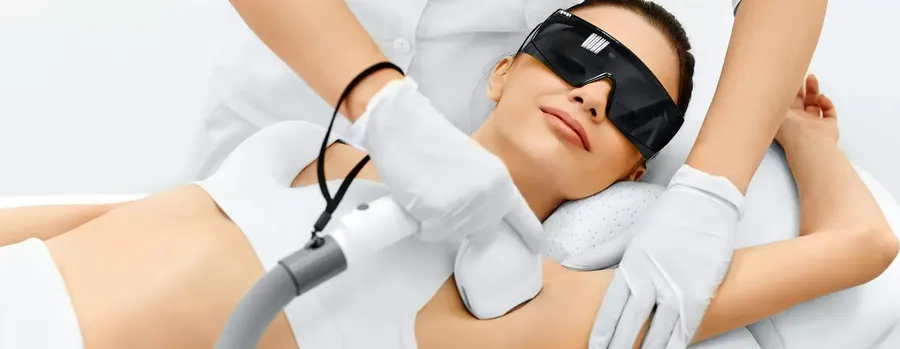
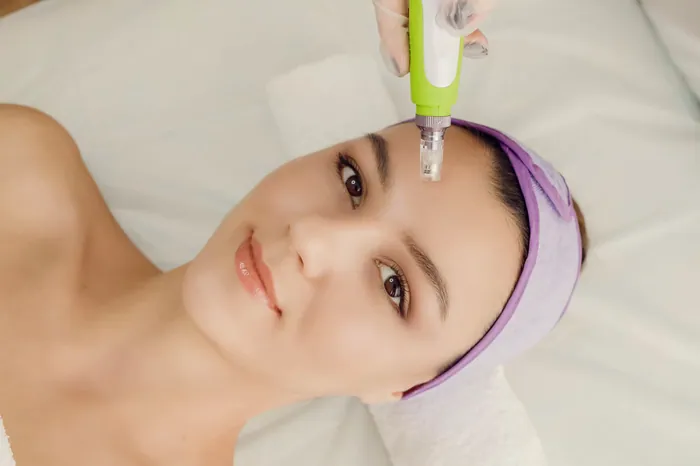
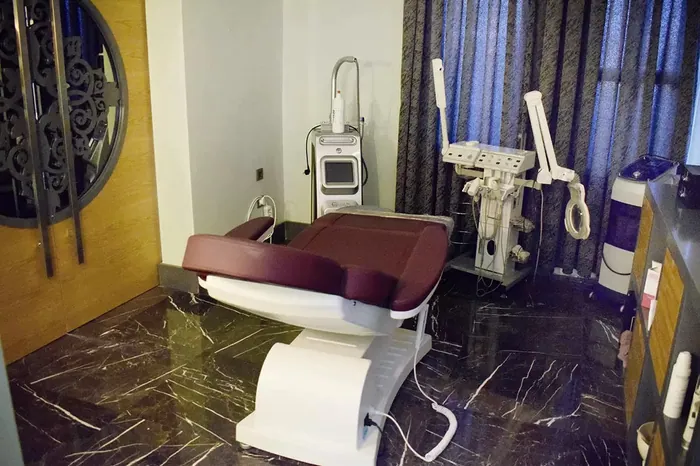
About an hour before laser treatment, a numbing cream is applied to the area. The Fraxel Dual laser stimulates collagen production to help the skin restructure, reducing the appearance of the scar and helping improve areas with excess pigmentation. A noticeable warming sensation may be felt during the procedure.
For scar revision, it is generally advised to wait 6 months to a year after the wound has closed. For hypertrophic (raised) scars that can follow a tummy tuck or breast surgery, starting laser treatment before the scar forms may help keep scarring to a minimum.

The type, age and location of the scar are assessed.
Treatment is usually planned 6 months to a year after the wound closes.
A numbing cream is applied about an hour beforehand.
The laser stimulates collagen to support skin restructuring.