

Visible vein dilation is noticeably reduced; remaining veins usually become much finer.
Laser light is absorbed by the blood in the vein, which visibly contracts during treatment.
Constant skin cooling protects surrounding tissue and improves comfort.
Lasers have been used to treat veins for more than 20 years.


Spider veins are superficial dilated vessels that appear red or dark blue on the surface of the skin. They are most common on the legs but can also appear on the face, abdomen and other areas.
They may appear as individual hair-like lines or join together in a web-like pattern. Over a small area they may barely be noticeable, but when they cover larger areas they can become a real cosmetic concern. Some people describe prickling or burning sensations, particularly with larger blue veins.
The exact cause of spider veins is not fully understood, but family history is the most important factor. They affect both women and men, though they are more common in women, which points to a hormonal influence. Puberty, the contraceptive pill, pregnancy and hormone replacement therapy can make them worse, as can tight clothing. On the face, sun exposure is considered the main cause.
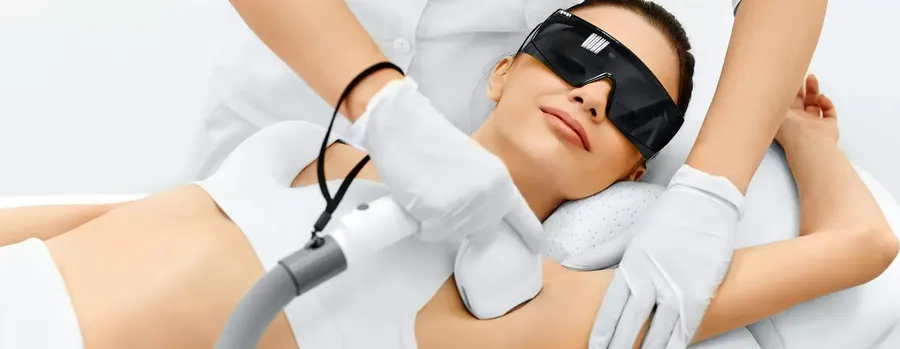
Spider veins can be treated with methods such as laser and sclerotherapy. In laser treatment, the light is absorbed by haemoglobin in the blood inside the vein; the heat this creates makes the vessel contract, and the effect is visible immediately. The skin is cooled continuously to protect surrounding tissue and reduce discomfort. Most treated veins fade noticeably, and any that remain usually become much finer.

The location, colour and extent of the veins are reviewed to choose the right approach.
The treatment area is cleansed and prepared.
Laser light is absorbed by haemoglobin while the skin is cooled continuously.
The heat causes the vein to contract, visible during treatment.
Results are reviewed and further sessions planned if needed.