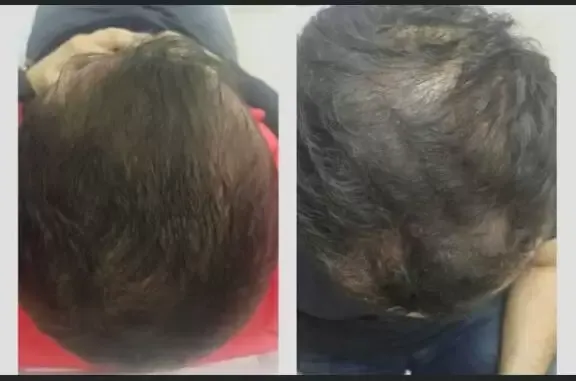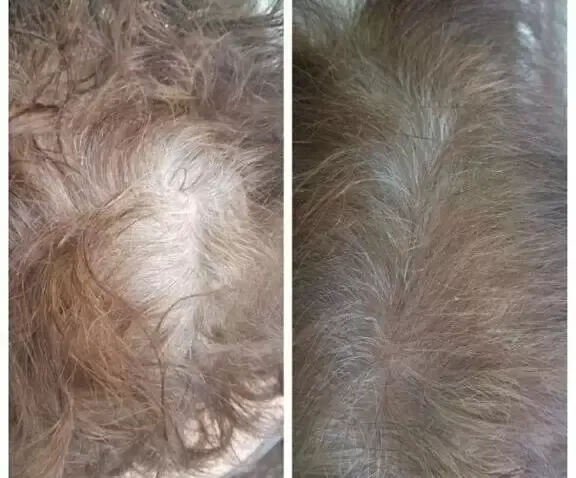


Micro-pigments mimic the appearance of real hair follicles.
Aims to minimise the colour difference between hair and scalp.
Easily absorbed pigment helps prevent colour changes over time.
A shaved-head look or shading for longer hair.
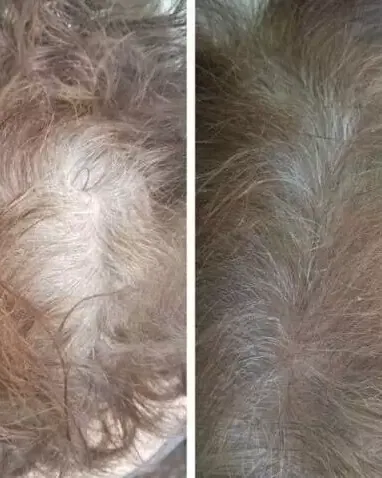

Hair simulation, also known as scalp pigmentation, hair tattoo or micropigmentation, involves applying a colouring agent to the scalp using a dedicated device, tip and micro-needles.
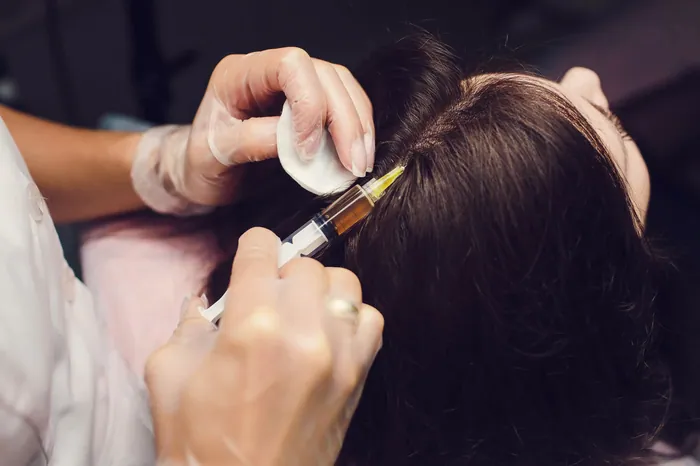
A rotary device working at a fixed depth places micro-pigments in the superficial part of the epidermis, mimicking real hair follicles and creating the appearance of hair roots on the scalp. The aim is to reduce the colour contrast between hair and scalp so the scalp does not show through as lighter skin.
Micropigmentation is a temporary, appearance-based technique. Depending on your skin type, it lasts on average 3 to 4 years, after which the pigments are cleared by the body.
It is not done with tattoo pigments. Tattoo needles reach deeper layers of the skin, where pigment can spread, leave dark patches and, over time, black can turn green or blue. That is why hair simulation uses pigments that are more easily absorbed by the body and keep a natural look, fading naturally over time.
The treatment can serve two purposes: micropigmentation on a fully shaved head, or a shading technique for people with longer hair. The application is the same, but the goals differ.

Your scalp, hair colour and expectations are assessed.
Shaved-head micropigmentation or shading for longer hair.
A suitable pigment shade is selected for a natural result.
Micro-pigments are placed in the superficial epidermis at a fixed depth.