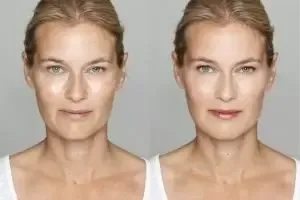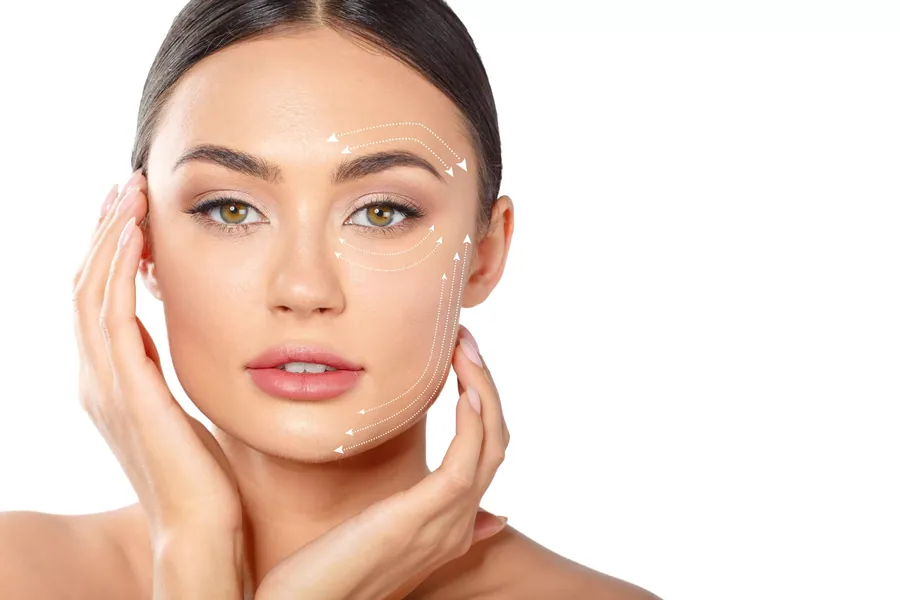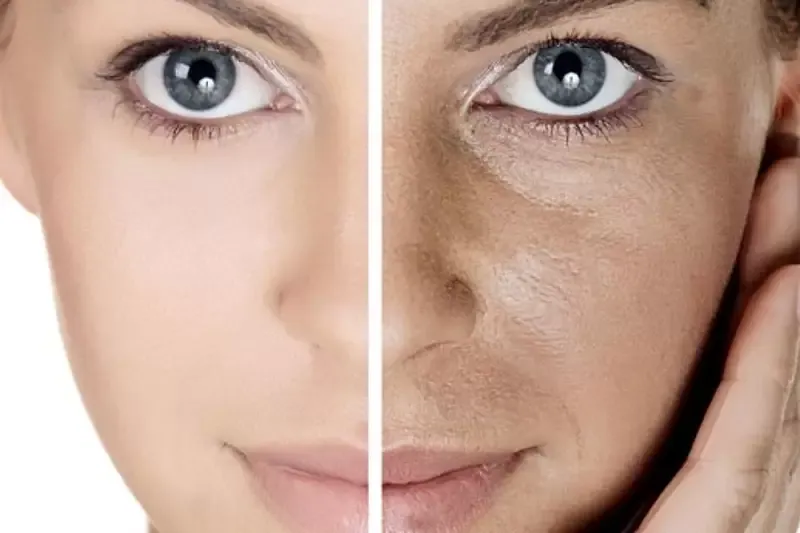


Helps minimise the look of pores for a smoother skin texture.
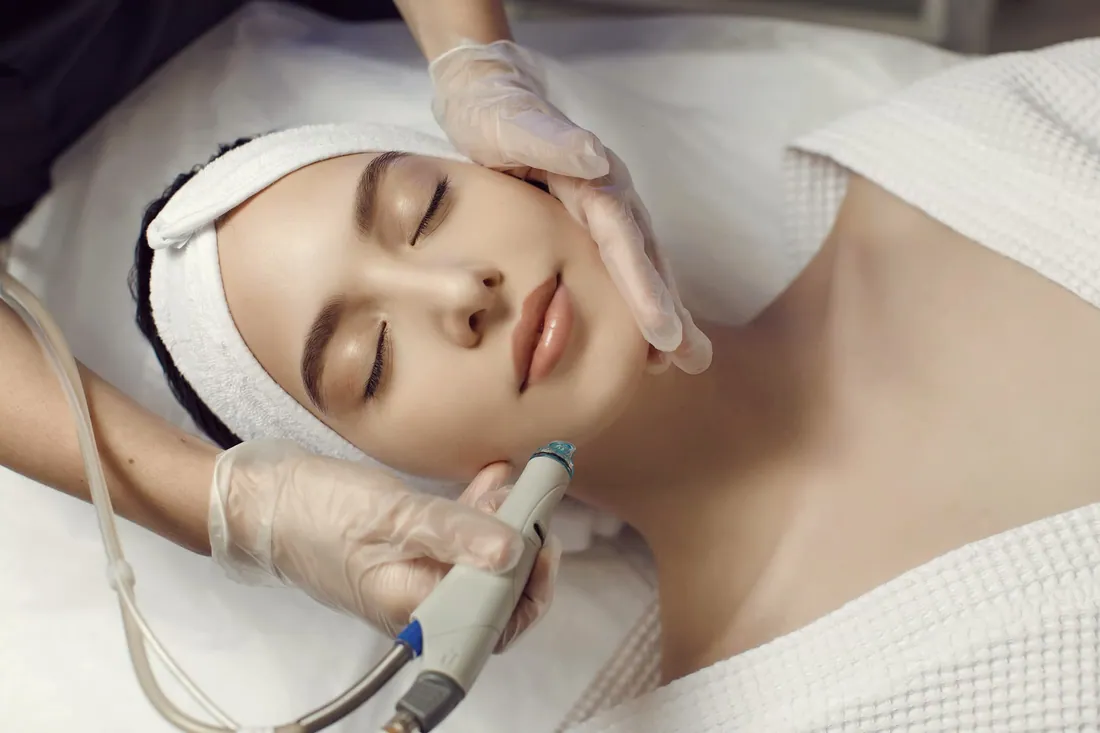
Carbon peel helps rebalance the skin's oil and moisture levels.
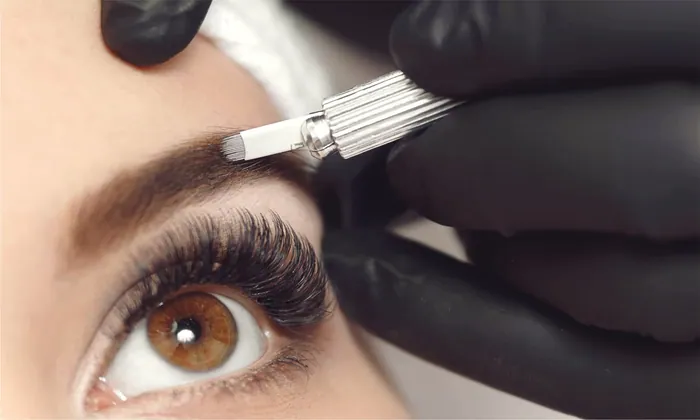
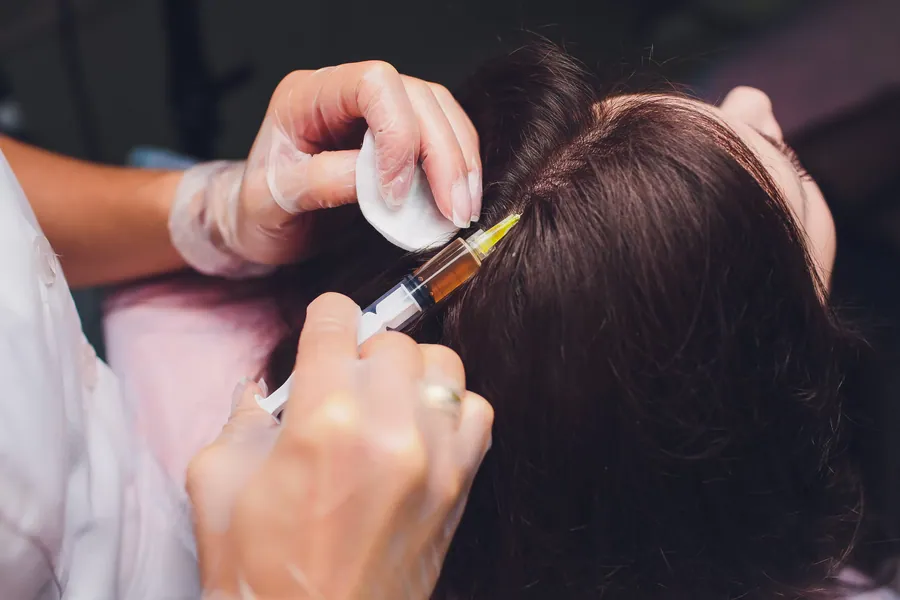
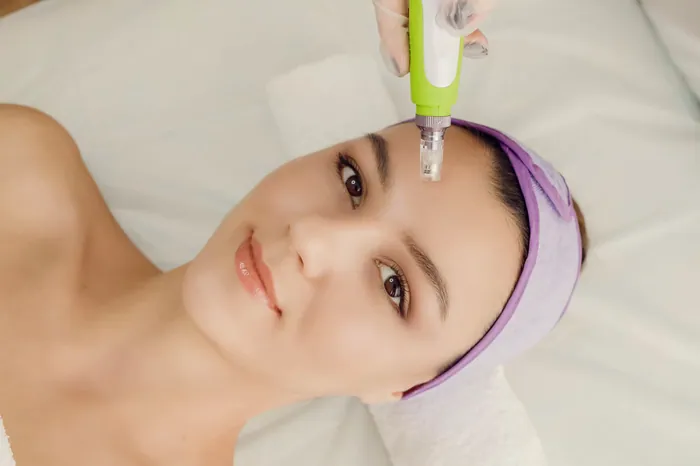
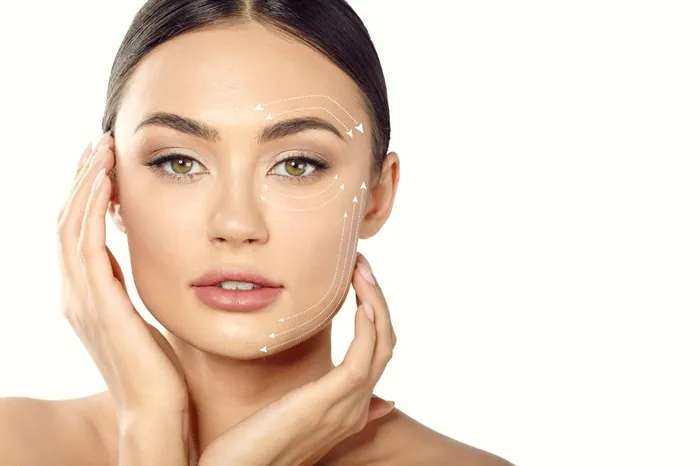
Microneedling activates the skin's own healing response.
In-clinic treatments are paired with home-care advice tailored to you.
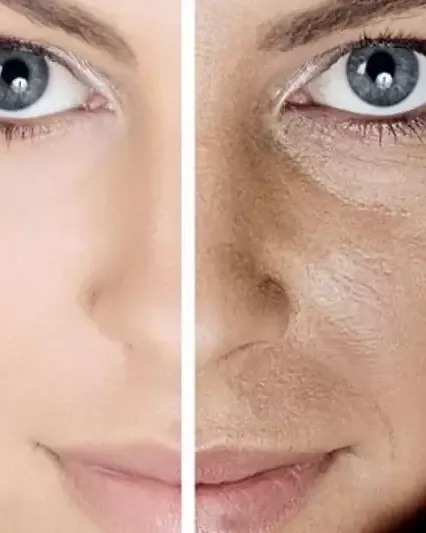

Pore size varies from person to person depending on skin type. Apart from the palms and soles, every hair follicle on the skin has a pore above it; the oil gland (sebaceous gland) inside the follicle produces sebum, which collects in the pores. Having large pores is not a health problem but purely a cosmetic concern.
The main causes of enlarged pores are excess sebum production, reduced elasticity around the pores and increased hair follicle volume. When oil mixes with dirt or make-up, pores can become clogged, stretch and look larger. If they stay clogged, breakouts can develop. How active your oil glands are is also partly genetic.
While enlarged pores cannot be eliminated completely, their appearance can be noticeably reduced. The key is keeping the skin soft and the pores clear. Good habits such as proper cleansing, moisturising and sun protection, supported by a balanced diet, plenty of water and regular exercise, make a real difference to skin health.
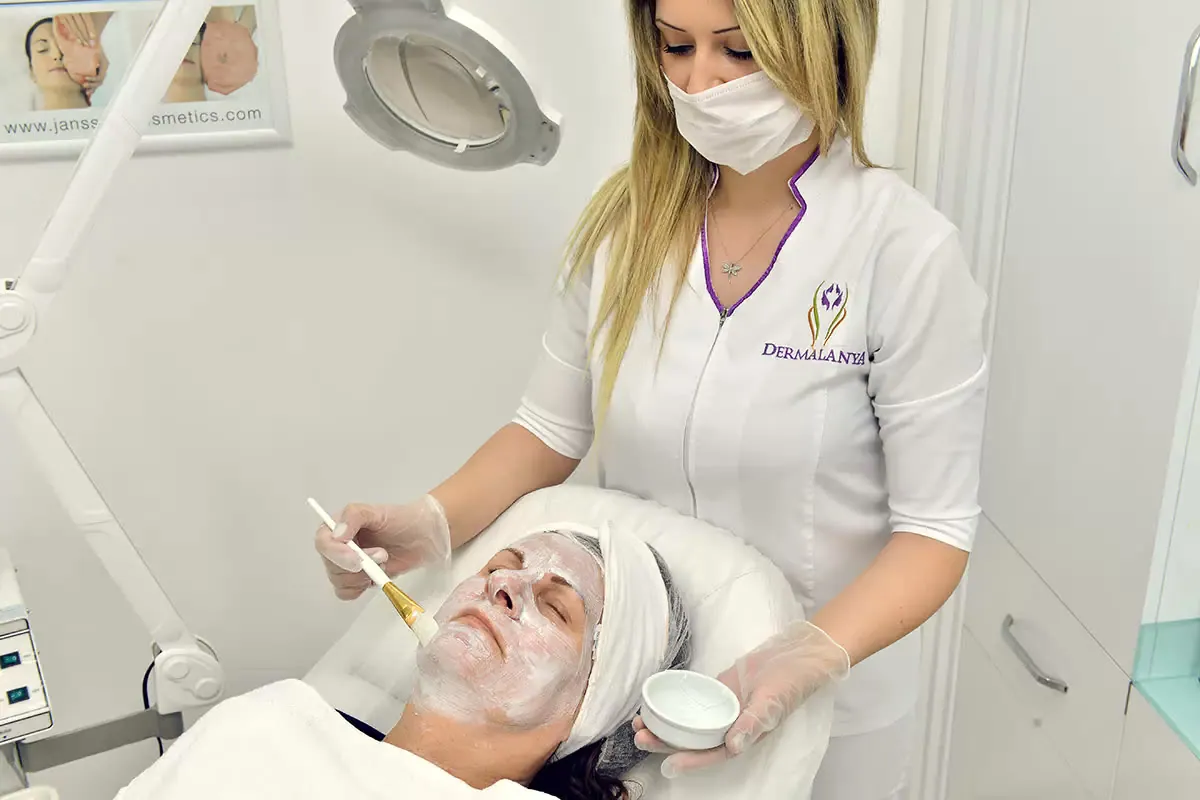
In the clinic, treatments such as microneedling and carbon peel help reduce the look of pores. Microneedling uses a dermaroller or dermapen with very fine needles to stimulate the skin's healing response. Carbon peel is a laser skin-renewal treatment that can be done all year round. If you have eczema or acne, you should always see a dermatologist.

Your skin type, oil balance and pores are assessed by the specialist.
A suitable in-clinic treatment such as microneedling or carbon peel is chosen.
The chosen treatment is performed hygienically and tailored to your skin.
You receive personalised advice on cleansing, moisturising and sun protection.